
Juanita Majury
-
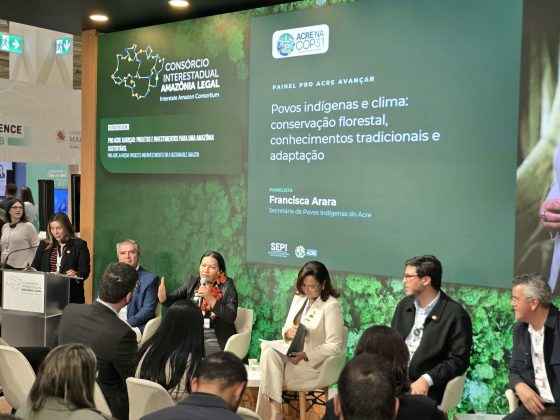
The failure of COP31: No agreement reached in Antalya
translated summary of an article by Fabio Di Nunno – Città Nuova, 23rd November 2026 COP31, the UN climate conference held in Antalya, Türkiye, ended in failure on 22 November, after two weeks of difficult negotiations and more than 48 hours of overtime. For the first time since the Copenhagen summit in 2009, a UN…
-
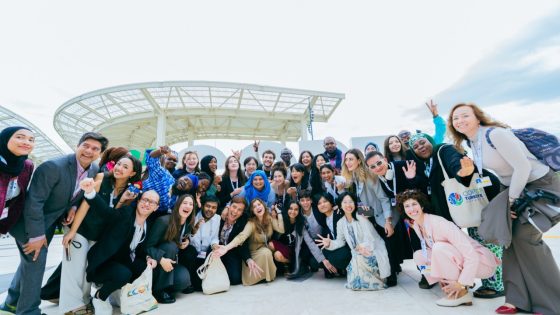
Six days, six themes: COP31 first week through the lens of the young people
From YOUNGO Official Children and Youth Constituency of the United Nations Framework Convention on Climate Change (UNFCCC) Six days, six themes: COP31 first week through the lens of the young people November 15, 2026 Week 1 recap from YOUNGO, the official Children and Youth Constituency of the UNFCCC COP31 reached its halfway point this Saturday…
-
COP31: Faith Demands a Future Worth Inheriting
Dr Iyad Abumoghli’s thoughts on COP 31 (from LinkedIn) Who will be safer because COP31 happened? That is the question faith communities should put to leaders gathering in Türkiye. The World Council of Churches, ACT Alliance and Lutheran World Federation have already called for emissions cuts, an equitable and rapid fossil-fuel phase-out, and delivery of…
-
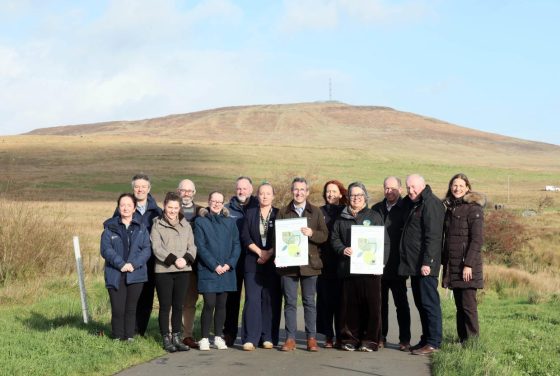
Northern Ireland’s Nature Recovery Strategy
The real challenge is turning promises into action DAERA’s new Nature Recovery Strategy sets out an ambitious framework for protecting and restoring Northern Ireland’s natural environment. But, as James Kilpatrick argues in his response to its launch, we already have environmental laws, policies and objectives. The priority now must be to deliver on them, enforce…
-
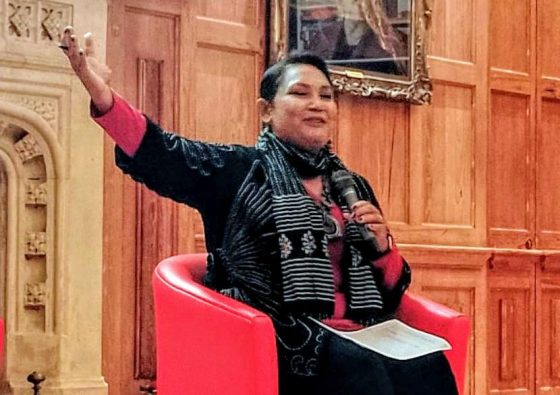
QUB Annual Sustainability Lecture 2026 by Prof. Farhana Sultana
From LinkedIN: Absolutely wonderful to deliver the annual Queen’s University Belfast Sustainability Lecture, “Whose Loss Counts? Climate Coloniality and the Politics of Evidence” in the historic Great Hall. The lecture asked who defines climate loss and damage, whose knowledge comes to count as evidence, and what epistemic justice requires of a climate governance regime that…
-
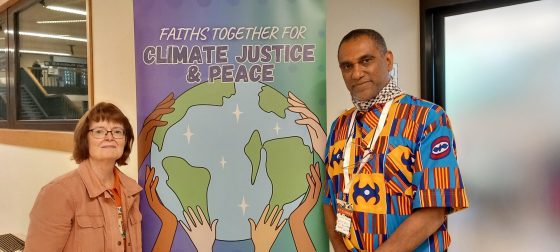
Faiths Rising: turning faith into action for a fossil-free future
People of faith around the world are being invited to join a global mobilisation for climate justice in April 2027, bringing spiritual conviction, community action and public pressure together to help secure a just transition away from fossil fuels. What can faith communities contribute to the struggle for climate justice? The answer, according to speakers…
-
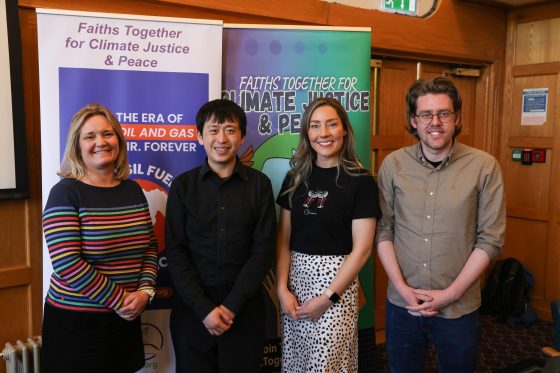
An Economy of Enough: featured in “The Tablet”
We’re delighted that Sarah MacDonald of “The Tablet”* (29th September) has highlighted the report arising from our Earth Day 2026 conference in Belfast, organised by Join the Dots Together with Queen’s University Belfast’s Centre for Sustainability, Equality and Climate Action, the Economy of Francesco and the REACH ’26 Art and Sustainability Festival.Bringing together people from…
-
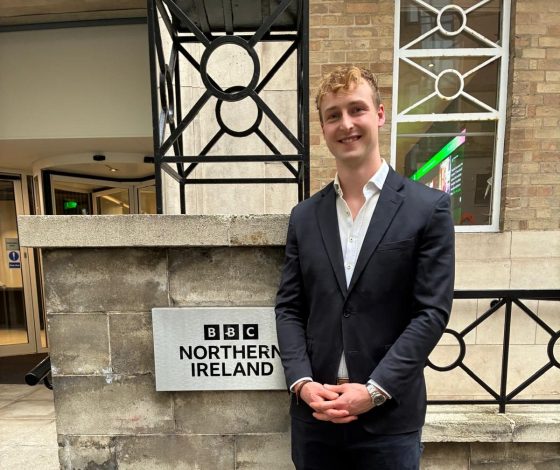
Kristian Noll discusses the “Economy of Enough” on Radio Ulster
Climate policy and knowledge exchange specialist Kristian Noll was interviewed by Audrey Carville on BBC Radio Ulster’s Sunday Sequence following his visit to Belfast (24th-26th September) to launch the new report An Economy of Enough in a Time of Crisis and Opportunity. Noll, who works with the Atlantic Fellows for Social and Economic Equity (AFSEE)…
-

A Bahá’í approach to climate change
What can faith contribute to the way we respond to the climate crisis? This thought-provoking article by Arthur Lyon Dahl explores the Bahá’í approach to climate change, bringing together “science and religion, justice and solidarity, personal responsibility and collective action”. It challenges us to look beyond technical solutions and consider the deeper values that shape…
-

The Rebirth of Islamic Environmentalism
The Emergence of Al Mizan: A Covenant for the Earth What does Islam have to say about our relationship with the natural world? In this important contribution to The Muslim 500, Islamic eco-theologian Fazlun Khalid traces the emergence of Islamic environmentalism and the development of Al Mizan: A Covenant for the Earth, launched at the…