
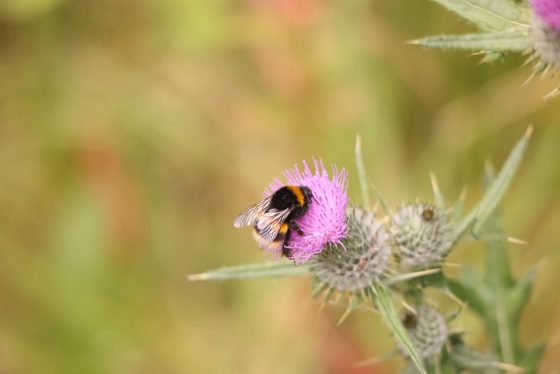
2026: Climate & Biodiversity
“For we know that the whole creation has been groaning together in the pains of childbirth until now.” (Romans 8:22)
The Ecumenical Decade of Climate Justice Action (2025 – 2035) challenges churches worldwide to confront two inseparable emergencies: climate breakdown and biodiversity collapse. In 2026, churches will wrestle with these realities not as distant environmental concerns, but as urgent spiritual and moral tests.
Theological foundations
The intertwined crises of climate breakdown and mass extinction threaten God’s creation. They hit hardest where justice is already scarce: among impoverished communities, Indigenous peoples, island nations, subsistence farmers, and the species disappearing around them. Deforestation, land grabs, ocean warming, and freshwater depletion stem from economic systems built on extraction and inequality.
God declared all creation “very good” (Genesis 1:31). Scripture insists that every species matters – not just for human use, but for God’s own delight (Psalm 104:24 – 25; Job 38 – 41). Creation is not merely a victim of crisis but a community that praises God and participates in redemption (Romans 8:19 – 23). When biodiversity erodes, so does humanity’s ability to perceive and live in harmony with God’s wisdom.
Rather than “stewardship” language that positions humans above nature, this vision embraces mutual partnership – humans as participants within, not masters over, God’s earth (Genesis 9:8 – 17; Psalm 24:1). As climate disasters impose unjust burdens on those least responsible, scripture affirms again and again God’s concern for the vulnerable (Deuteronomy 10:17 – 18), demanding that churches stand in solidarity and resist systems perpetuating harm.
Key focus areas
Climate collapse, species extinction, inequality, and displacement form one interlocking crisis. In 2026, churches will concentrate on Indigenous wisdom as essential guidance – learning from peoples whose traditions embody reciprocity and reverence; ecological reparations through climate finance, fossil fuel divestment, and loss-and-damage support for frontline communities; nature-based solutions rooted in community rights, not corporate greenwashing; and systemic change that confronts unjust economies through prayer, advocacy, and direct action.
Strategic pathways
The World Council of Churches (WCC) will pursue four paths. New liturgies, hymns, and Bible studies will reconnect faith communities with creation’s groaning and hope. Churches will engage global environmental negotiations at the UN Convention on Biological Diversity (CBD), UN Framework Convention on Climate Change (UNFCCC), and UN Convention to Combating Desertification (UNCCD), pushing for stronger targets and structural change starting with high-consuming and high polluting nations. Grassroots projects will build resilience and support just transitions for workers and communities. Theological schools will integrate climate and biodiversity justice into curricula, empowering youth as prophetic leaders.
2026 Activities
Regional consultations will gather bishops, lay leaders, and educators from every continent to share theological reflections and action plans. The first Global Climate Fast during Lent will anchor the year in penitence and solidarity. Churches will mark the UN International Day for Biological Diversity on 22 May and participate fully in the Season of Creation The Season of Creation is an annual Christian observance that takes place from September 1st to October 4th. It is a time when Christians around the world come together to pray, reflect, and take action on caring for the environment and addressing ecological concerns. The observance begins on the World Day of Prayer for the Care of Creation (September 1st) and concludes on the feast day of St. Francis of Assisi (October 4), the patron saint of ecology in the Catholic tradition. The Season encourages prayer, education, and advocacy for environmental stewardship. Read more about the Season of Creation » More from 1 September to 4 October. Delegations will attend major conferences: CBD COP17 in Yerevan, Armenia, UNFCCC COP31 in Antalya, Turkey, and CCD COP17 in Ulaanbaatar, Mongolia.
What 2026 will deliver
A global theological statement on climate and biodiversity justice. Regional frameworks tailored to local contexts. Worship resources, educational tools, and advocacy materials for congregations. Faith-based submissions to UN processes. A network of regional ambassadors sustaining the decade’s work.
The 2026 thematic year urges churches to become a “living witness” (James 2:26), weaving climate and biodiversity justice into worship, theology, advocacy, and daily life. By listening to creation’s groaning, recognizing our place within the natural world, and standing with those most affected, churches embody hope – renewing our relationships with the earth, one another, and God as we move toward a just and life-giving future for all creation.
https://www.oikoumene.org/what-we-do/care-for-creation-and-climate-justice/ecumenical-decade-of-climate-justice-action
Photo by Danny Meegan